A Thursday lunch hour, a notes app open under the table, and the same line you typed last month: "I want things to feel easier." Nothing in the afternoon changes, because the line never told you what to do when you stood up. An intention is stricter than a wish and kinder than a punishment. It is a sentence about the life you are choosing, written so your next action is visible.
If you are new to the wider idea, start with the introduction to manifestation and then come back. This page stays on the sentence itself.
The Anatomy of a Powerful Intention
A useful intention has four parts. Skip one and the sentence usually collapses into a mood.
Specificity. Name the scene, not the slogan. "More peace" can mean a silent apartment, a kinder tone with your sister, or a job that ends at five. Those are three different lives. Pick one scene you could recognize if it happened on an ordinary Wednesday. Include a person, a place, or a clock time when you can. "I leave the office at 5:30 on weekdays and eat dinner sitting down" is specific. "I am successful" is a costume.
Emotional charge. The feeling is not decoration. It is how you know the sentence is yours. Read it once and notice your body. Warmth, relief, a small smile, or a steady exhale means the line is close enough to live. A spike of panic or a hollow "yeah, right" means the line is borrowed. Borrowed lines come from advertisements, from a parent's unfinished dream, or from a friend whose life you do not actually want. Cross those out. Keep the line that produces a clean feeling, even if it is quieter than the one that looks impressive.
Present tense. Write as if the pattern is already the way you move, not as a hope parked in the future. "I am learning to invoice the week I finish the work" lands differently from "Someday I will be confident with money." Present tense is a linguistic choice that keeps the sentence inside this month. It is not a trick that forces events. If the present-tense line is a lie so large you cannot say it aloud, it is too far from your current life. Step it back until you can say it without performing.
Believability. This is the part people skip because it feels less exciting. An intention you privately call impossible will be undermined by every small choice. Start inside a stretch, not a fantasy. You can widen it later, after you have evidence. A believable intention is one you can imagine doing on a tired day, not only on a day when you feel inspired. If it requires a new personality before breakfast, it is a poster, not an intention.
Intention, goal, and wish
A wish is a feeling with no owner: "It would be nice if..." A goal is often a metric and a date: "Finish the certificate by June." An intention is the identity and the texture underneath both. "I am a person who studies for forty minutes before the house gets loud" can hold the June goal without turning you into a project manager of your own soul.
You need all three at different moments. The wish tells you that you care. The intention tells you who you are practicing being. The goal tells you what "done" means so you do not move the finish line every Sunday. If you only set goals, you may hit a number and feel nothing. If you only set intentions, you may feel aligned and never ship the work. Put the intention in a sentence at the top of the page and the goal in a line underneath it.
A writing ritual that fits in a kitchen
Choose a time when the house is quiet enough that you will not negotiate with every notification. Morning is easier for many people because the day has not yet voted. Sit down with paper if you can. Handwriting slows you down, which is the point. You are not trying to produce a brand statement.
Light a candle only if you like the ritual. The flame is optional. The honesty is not. Take three breaths that reach your belly. Write no more than three intentions. Five is already a crowd. For each one, write the sentence once, pause, and ask: what would I do in the next forty-eight hours if this were already my standard? Write that action under the sentence in plain verbs. Then close the notebook. You do not need to stare at the page until you feel a surge. Release the timetable. Keep the action.
The morning routine guide shows where this ritual can sit inside the first half hour. The journaling prompts are there when the sentence will not come and you need a question instead of a blank line.
Where intentions go to die
Too many intentions dilute the week. If everything is sacred, nothing gets a protected hour. Pick three and let the rest wait in a parking lot list.
Unbelievable intentions create secret resistance. You nod at the page and then avoid the folder, the call, or the mirror. Shrink the claim until your behavior can touch it.
Complaint intentions are wishes written as attacks. "I am done with people who waste my time" is a boundary that still needs a behavior: leave the meeting at the agreed minute, or stop offering the extra revision. Rewrite the complaint as the conduct you will practice.
Comparison intentions rot quickly. If the sentence only makes sense next to someone else's announcement, it is not yours yet. Ask what you would still want if nobody posted about it. That question saves you from building a life for an audience.
A seven-day intention log
This log is only about the sentences, not a general life overhaul.
Day one: write three intentions and one action each. Do the smallest action before bed.
Day two: carry the notebook. Each time you break an intention, jot the time and what you did instead. No lecture.
Day three: read the breaks. Circle the intention that keeps losing. Either shrink it or admit you do not want it.
Day four: say one intention out loud to yourself in a closed room. Notice the word you rush past. Rewrite that word.
Day five: tell one trusted person the action, not the whole dream. Ask them only to ask whether you did it.
Day six: rest the pen. Live the action without adding a new sentence.
Day seven: keep, revise, or retire each intention in a single line. Retiring a sentence is allowed. A crowded notebook is not a moral victory.
Frequently Asked Questions
How many intentions should I set at once?
Three is enough for a season. One is enough for a hard month. Add another only after the current one has a repeating action attached to it.
Should I tell other people?
Tell them the next action when you want company. Keep the raw dream private while you are still deciding whether it is yours. Other people's excitement can freeze a sentence you were not done editing.
What if I forget the intention by noon?
Put the action on the calendar as an appointment with a verb, not as a feeling. "Draft the opening paragraph, 2:15" survives a busy day better than "stay aligned."
This week, rewrite your loosest wish as one present-tense sentence and put a forty-eight-hour action under it. If you will not schedule the action, you do not have an intention yet. You have a mood, and moods are allowed to stay moods until you choose otherwise.
 The Secret
 Feeling Is the Secret
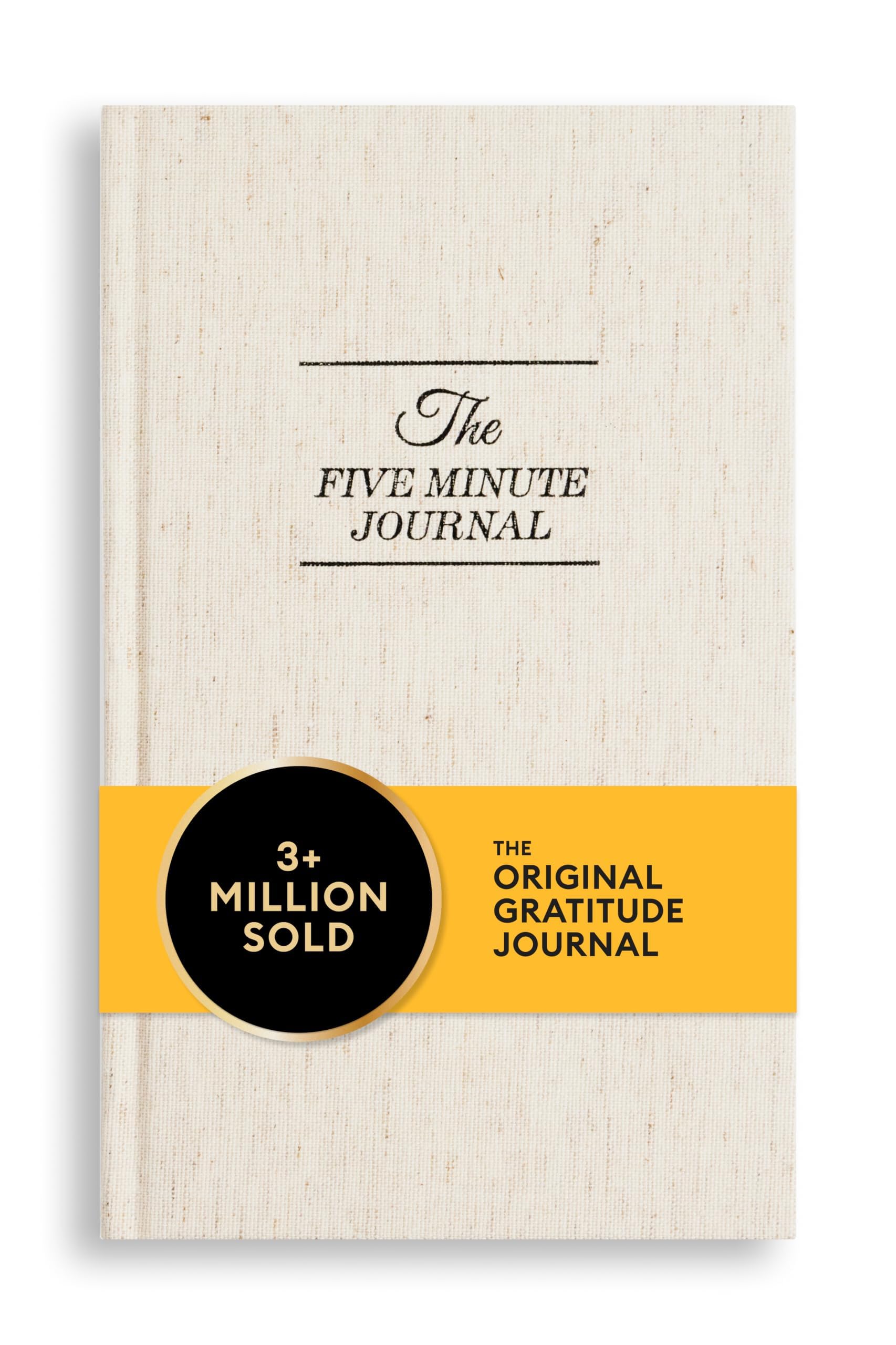 The Five Minute Journal
 Vision Board Kit
 The Magic
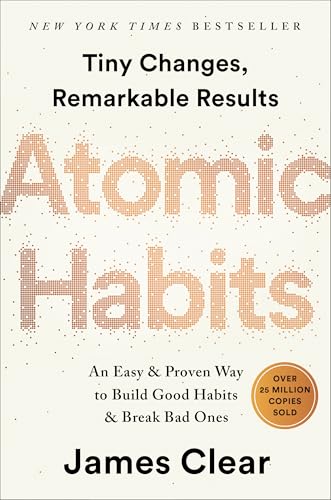 Atomic Habits