The Moon is a thin hook over the parking lot when you lock the car, and you remember that you meant to "work with the new moon" three months running. You did not miss a cosmic appointment so much as you missed a calendar habit. Lunar phases are a real cycle you can see. They make a decent planning rhythm for intention, review, and clearing clutter. They are not a guarantee that a wish set on the right night arrives on schedule.
NASA's Moon phases page is a clear place to see the names of the phases. The cycle from one new moon to the next is about 29.5 days. That length is useful because it is longer than a weekend and shorter than a season. You can start something, work it, and review it without pretending a calendar app is sacred.
What each phase is good for in ordinary life
Use the sky as a reminder, not as a boss. If clouds hide the Moon, the date still counts. You can look up the phase in any reputable almanac or on the NASA page. You do not have to stand in the yard for the practice to be legitimate, though a few minutes outside often makes the date feel real.
New moon. The disk is dark. This is a reasonable night to choose. Write one to three intentions for the coming cycle, in the present tense, small enough to touch before the next new moon. The intention guide is the standard for those sentences. A new moon is a poor time to start twelve projects. Darkness is for a few seeds, not a warehouse.
Waxing crescent. A little light returns. Do the first visible action. Send the email. Buy the groceries for the new dinner. Put the shoes by the door. Momentum here is behavioral, not mystical. If you skip the action, the rest of the cycle is commentary.
First quarter. About a week in, the Moon is half lit and half in shadow. This is a good night to notice the obstacle you have been polite about. Name it. Decide. Continue, shrink the intention, or stop. Indecision is the real drain at this phase, not the sky.
Waxing gibbous. The Moon is almost full. Adjust the method without abandoning the point. If the workout is too long, shorten it. If the budget category is wrong, rename it. Refinement is not failure.
Full moon. The disk is bright. Use the night for two jobs: name what moved, and name what you will stop carrying. Gratitude fits here. The gratitude practice gives you a way to be specific. Release is concrete. Delete the file. Return the object. End the maybe. A full moon is a clumsy time to start a brand-new obsession. You already have a cycle in motion. Finish looking at it.
Waning gibbous and last quarter. Light decreases. Clear space. Physical clutter, unused subscriptions, promises you made from guilt. Emotional clearing counts only if it changes a behavior. Journaling the same resentment for the tenth time is not release. A boundary is release.
Waning crescent. The last sliver. Sleep, review, and do not launch. Read the pages from the cycle. Keep one sentence for the next new moon. Let the rest go. Rest is part of the method. A practice that cannot rest becomes another job.
A new-moon page with three columns
You do not need a special altar. A window is enough. If you can see the sky, look for a minute. If you cannot, acknowledge the date and sit down.
Divide a page into three columns. Column one: the intention, one sentence. Column two: the action you will take during the waxing days, with a day of the week attached. Column three: what you will stop doing to make room, one item. Read the page once. Fold it into the notebook you already use. Set a reminder for the full moon to reread it. That reminder matters more than any candle.
If you like a flame, use it safely and do not leave it. The flame is atmosphere. The columns are the practice. Skip the flame in a house where it is a hazard. The Moon does not grade your supplies.
A one-cycle log that stays on paper
Across a single cycle, keep a half page, not a new app. At new moon, write the intention and the action. At first quarter, write the obstacle in one line and the decision under it: continue, shrink, or stop. At full moon, write what moved and what you put down. At the waning crescent, write what you will carry into the next cycle, limited to one sentence.
Here is what a dull, successful cycle looks like, so you do not wait for a cinematic one. Intention: "I leave the building at five with the laptop closed." Waxing action: an alarm named "shoes" at 4:50. First-quarter obstacle: a standing meeting that runs long. Decision: tell the organizer you will leave at the hour, and do it once. Full moon note: you left on time three days, and you stopped apologizing in the hallway. Waning note: keep the alarm, drop the extra promise to "just finish one more thing." That is a complete lunar practice. Nothing in it requires a belief that the Moon moved your manager. The Moon moved you to look at the page on four dates you would otherwise have skipped.
If you want astrology, birth charts, or predictions, this article will disappoint you on purpose. Phase names are a clock. A clock is useful because it rings. It does not know your life. Keep predictions out of the notebook so the log stays about your behavior.
Weather, travel, and missed nights
The emotional weather of a phase lasts more than one evening. If the new moon falls on a night shift, do the page the next afternoon. A two-day window is honest. A two-week delay means you have skipped the cycle, which is allowed. Start at the next new moon rather than forcing a ritual out of guilt in the middle of the waning days.
Travel and different hemispheres change how the Moon looks in the sky, not the date of the phase. Follow the calendar date, not a photo from someone else's latitude.
Do not schedule medical decisions, legal deadlines, or money transfers by the Moon. Those belong to the facts of the situation and to qualified professionals. A lunar calendar is for your own review rhythm. The journaling prompts can fill a full-moon review when you want questions instead of a blank column.
Frequently Asked Questions
Do I have to be outside?
No. Outside helps some people feel the date. A kitchen table and an accurate phase calendar are enough.
What if I only remember the full moon?
Then use the full moon as a review night and set the next intention there, with a shorter runway. A late start beats a perfect system you never touch.
Can I track more than one intention?
Track one seriously. A second may ride along if it is tiny. More than that and you will not know which action belonged to the cycle.
This week, look up the current phase and do only the job that phase suggests: choose, act, decide, adjust, appreciate, clear, or rest. One job, finished, teaches the rhythm better than a checklist you admire.
 The Secret
 Feeling Is the Secret
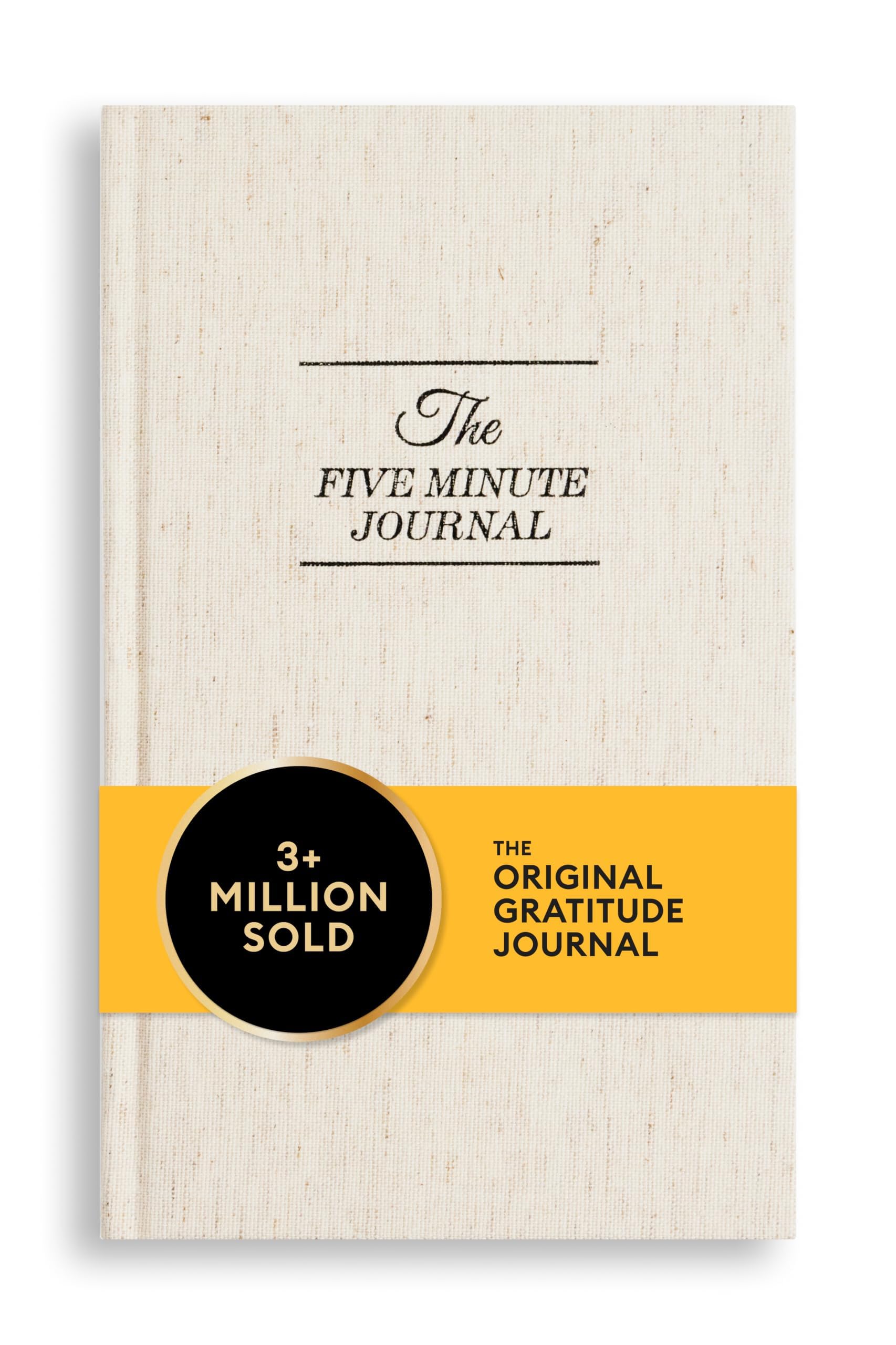 The Five Minute Journal
 Vision Board Kit
 The Magic
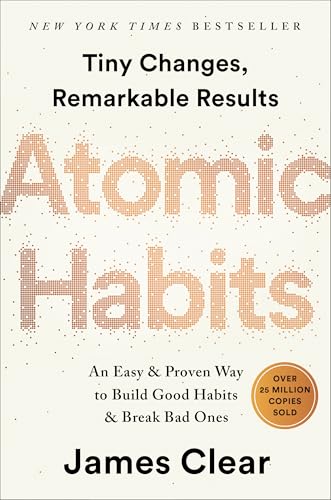 Atomic Habits